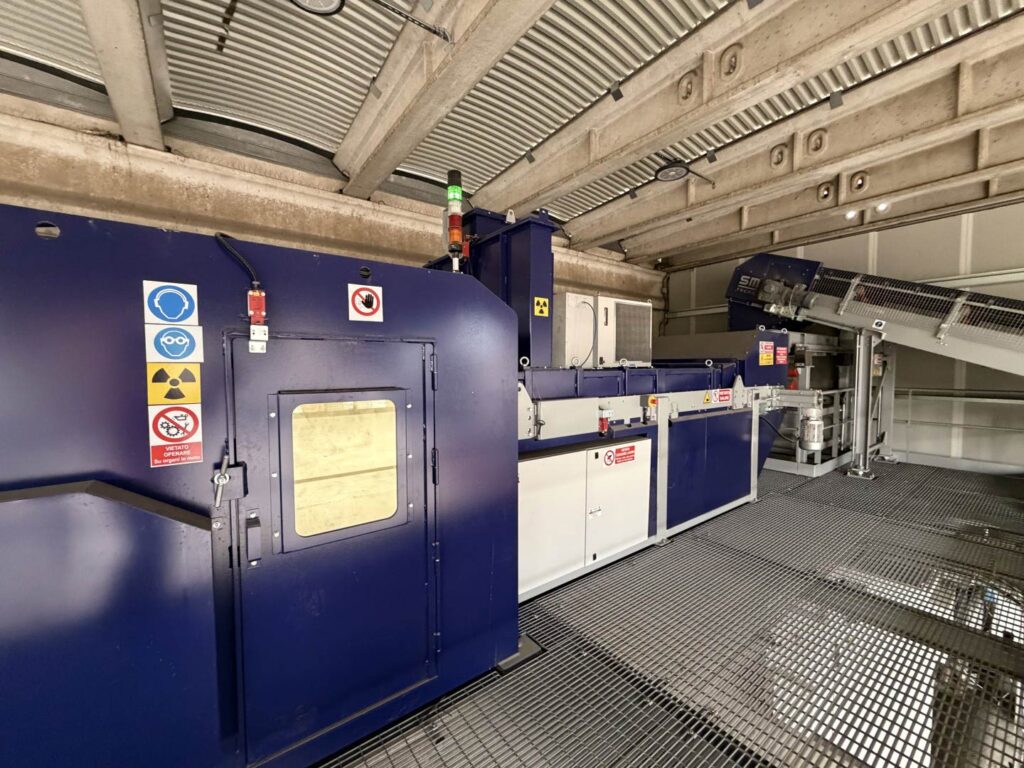
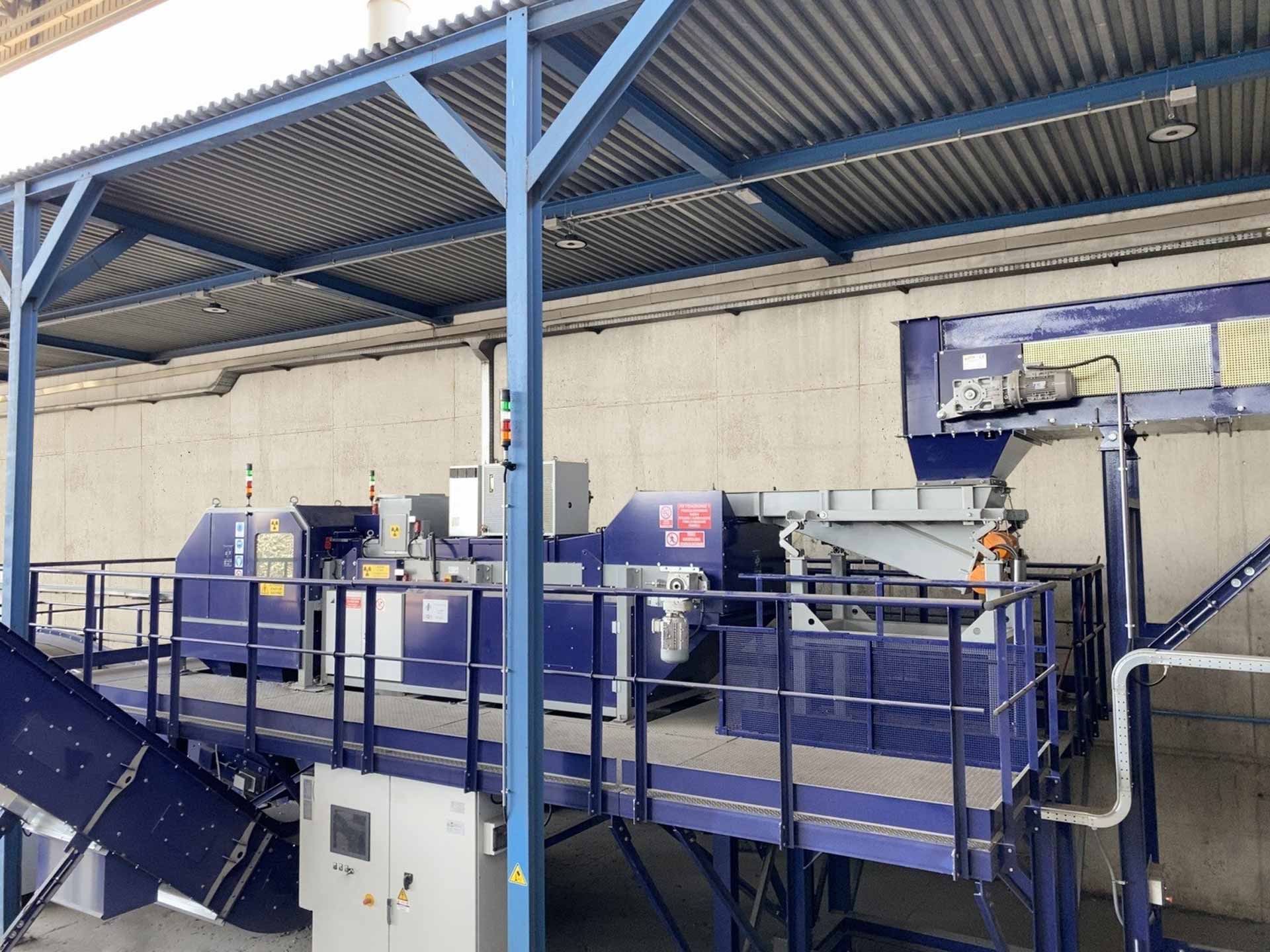
Recycling plants are under growing pressure to deliver high-purity metal fractions from mixed scrap. Traditional magnetic and mechanical separation methods recover ferrous metals and coarse non-ferrous fractions. However, complex scrap alloys require advanced sensor technologies to meet stringent secondary raw material specifications.
X-Ray sorters identify non-ferrous metals by atomic density (XRT) or chemical composition (XRF).
What is the difference between XRT and XRF?
The difference between XRT and XRF lies in how X-rays interact with material particles during the sorting process.
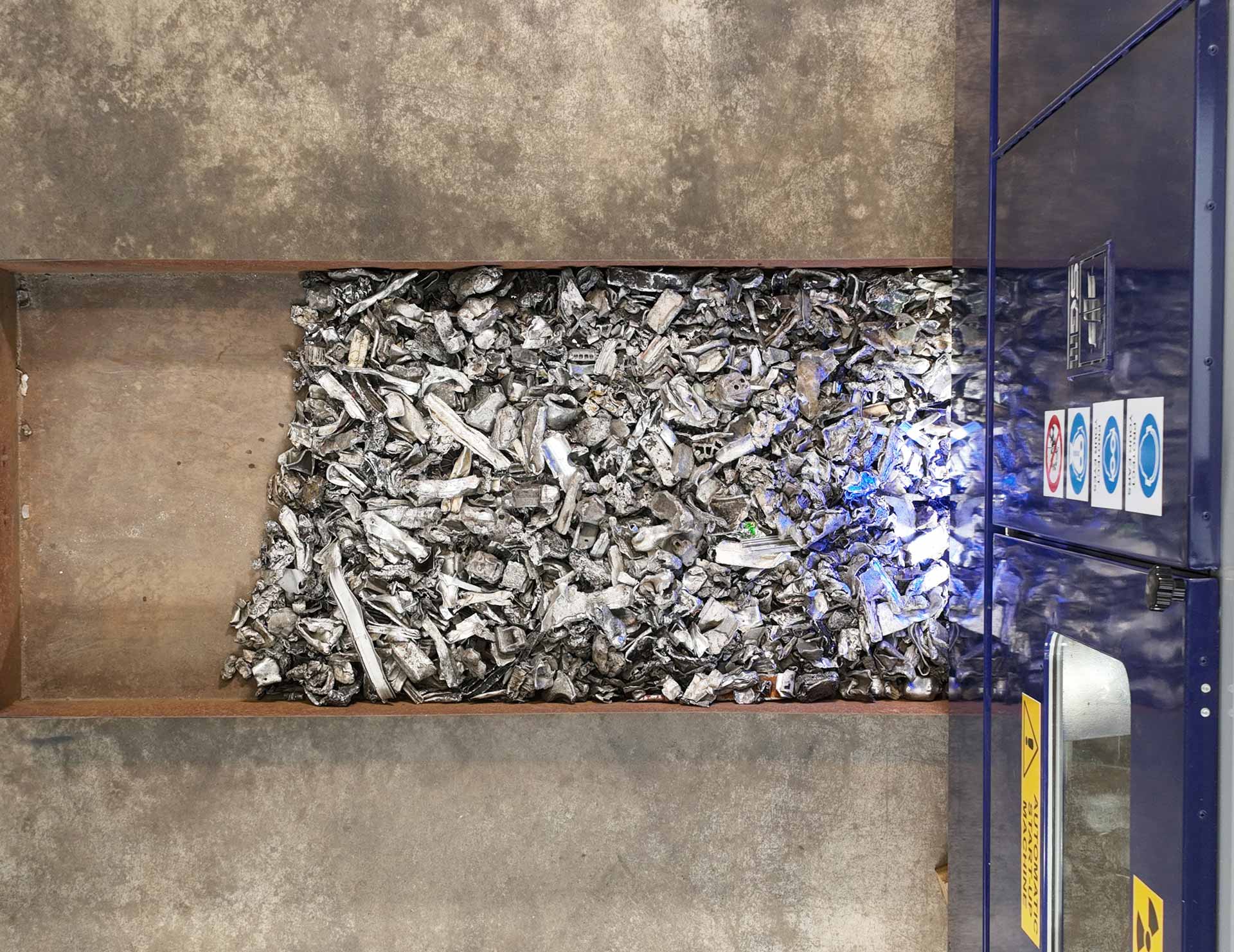
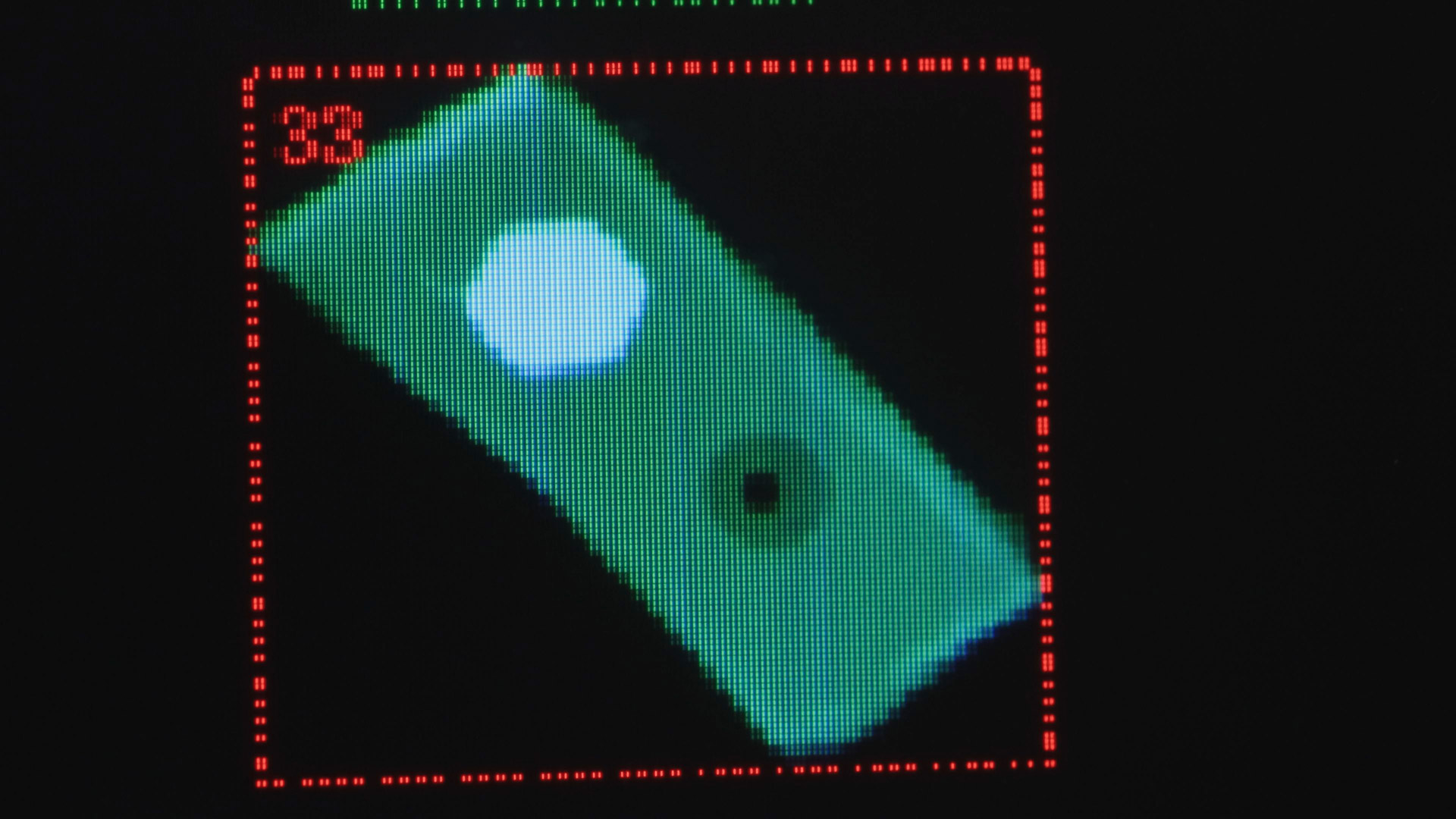
X-Ray Transmission (XRT) measures how much of the x-ray beam a particle absorbs. . Absorption depends on atomic density and thickness, so XRT is largely unaffected by surface dirt, paint or coatings Consequently, XRT excels at separating light metals from heavy metals, such as isolating aluminum from copper, zinc, or brass in processed automobile shredder residue (ASR).
X-Ray Fluorescence (XRF) analyzes the secondary X-rays emitted by a sample when it is hit by a primary X-ray beam. This gives the elemental chemical composition of the surface. Therefore, XRF can sort specific alloy grades, such as 300-series stainless steel from 400-series stainless steel or sorting different aluminum alloys. Heavy surface contamination can affect the reading.
The table below summarizes the key technical specifications comparing XRT and XRF sorting technologies:
| Technical Specification | X-Ray Transmission (XRT) | X-Ray Fluorescence (XRF) |
| Detection principle | Absorption of X-rays, related to atomic density n | Elemental composition from emitted X-rays |
| Sensitivity to surface contamination | Low | Higher |
| Mainorting task | Light vs heavy metal separation | Specific alloy composition sorting |
| Typical tream | ASR, Zorba, WEEE, aluminum scrap | Copper alloys, stainless steel, heavy metal alloys |
How X-Ray sorters help the recycling industry?
X-Ray sorters automatehigh-throughput separation of complex metal mixtures that mechanical methods cannot sort.
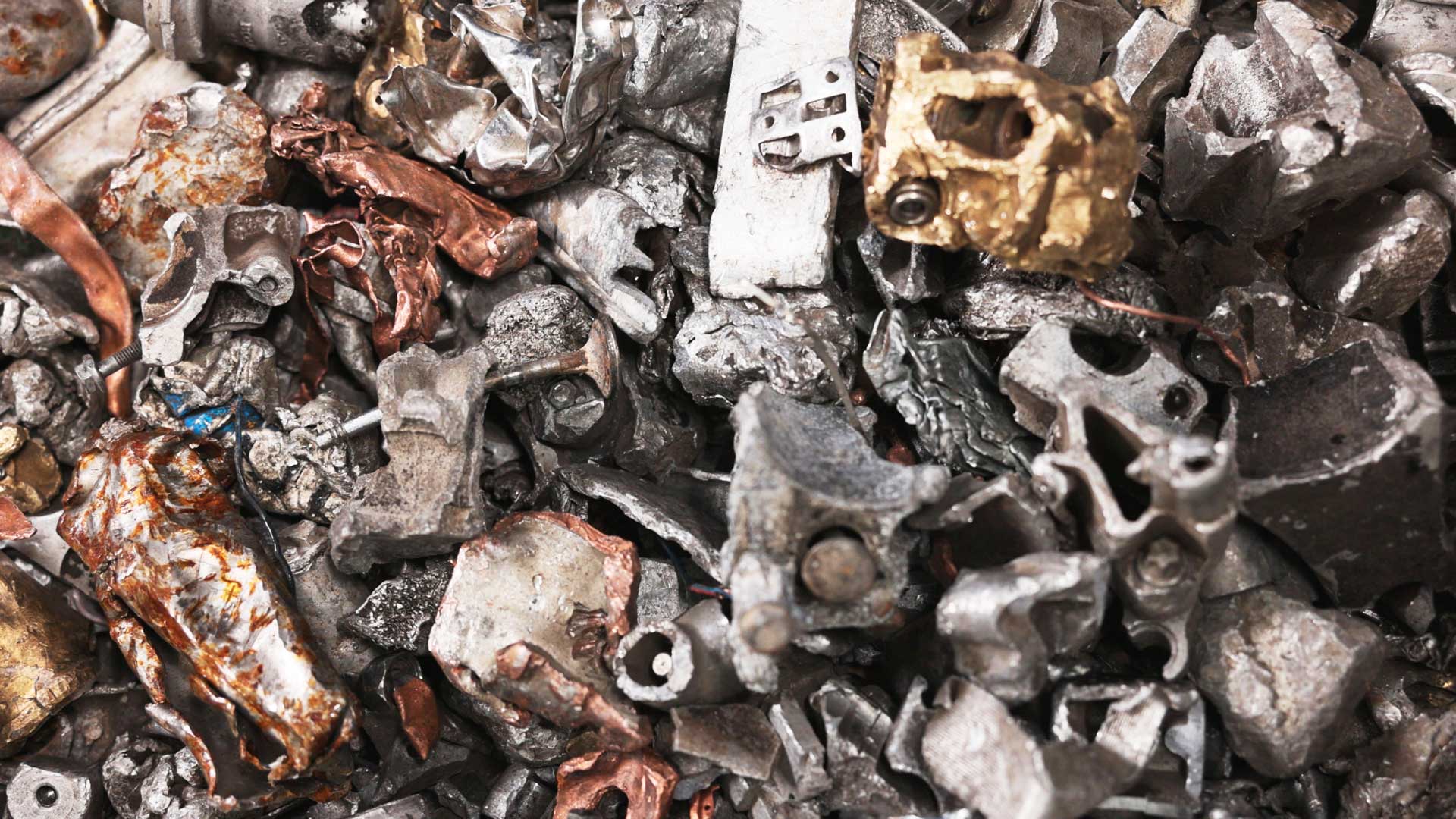
Scrap lines handle heterogeneous streams, such as shredded electronic waste (WEEE) and auto shredder residue (ASR). X-Ray sorters automate the recovery of valuable metals while eliminating manual hand-sorting costs and can also remove contaminants such as PVC and heavy metals like lead, helping the output meet buyer specifications and European regulations.
The key industry benefits of implementing automated X-Ray metal sorters include:
- Higher output purity: achieving target metal purity levels exceeding 98% for furnace-ready scrap;
- Light/heavy split of Zorba : separation of mixed non-ferrous scrap into an aluminum-rich light fraction and a heavy fraction of copper, brass, zinc and stainless steel
- Reduced landfill waste: Recovering high-value metallic fragments from residual waste streams previously sent to disposal;
- Contaminant removal : Eliminating hazardous contaminants like lead or PVC from secondary plastic and metal fractions;
- Maximum economic return: Upgrading low-value mixed scrap into premium secondary raw materials that command top market prices.
Integrating X-Ray sorting upstream or downstream of Eddy Current Separators ensures maximum material circularity and process efficiency.
For more details on non-ferrous metal recovery workflows, read our guide on how to separate non-ferrous metal with eddy current separators.
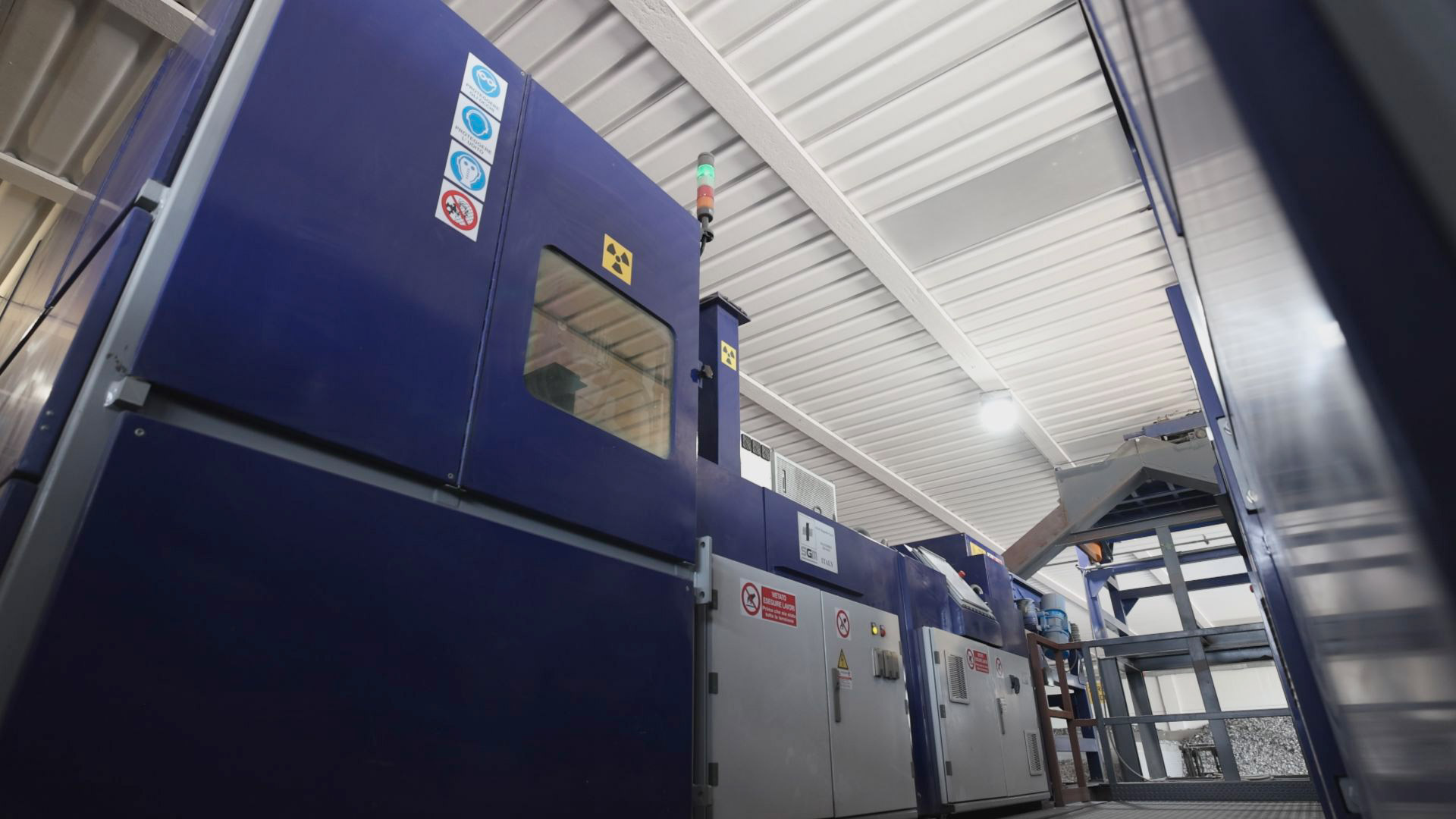
Which company supplies x-ray sorters for the international market?
SGM Magnetics supplies high-performance X-Ray sorters and sensor-based separation technology for the international metal recycling market.
With headquarters in Manerbio, Italy, and operating subsidiaries across North America, Europe, and Asia, SGM Magnetics delivers worldwide innovation in industrial separation. Our sensor sorting portfolio includes advanced X-Ray Transmission (XRT), X-Ray Fluorescence (XRF), and combined XRF-T systems engineered to handle tough industrial recycling conditions.
Key advantages of choosing SGM Magnetics for X-Ray sorting systems include:
- Custom sensor integration: Combining XRT, color optical sorters (CSS), and induction sensors (EMSEF-C) for complex multi-stage separation lines;
- Material testing: Providing laboratory analysis on customer scrap samples to demonstrate real-world recovery rates before purchase;
- Global field service network: Delivering technical commissioning, remote software support, and preventive maintenance worldwide.
Contact SGM Magnetics today to consult with our sensor sorting specialists or request a customized material test.
You might also be interested in
Why choose X-Ray sorters to recycle industrial metal
What are the advantages of magnetic drum separators?