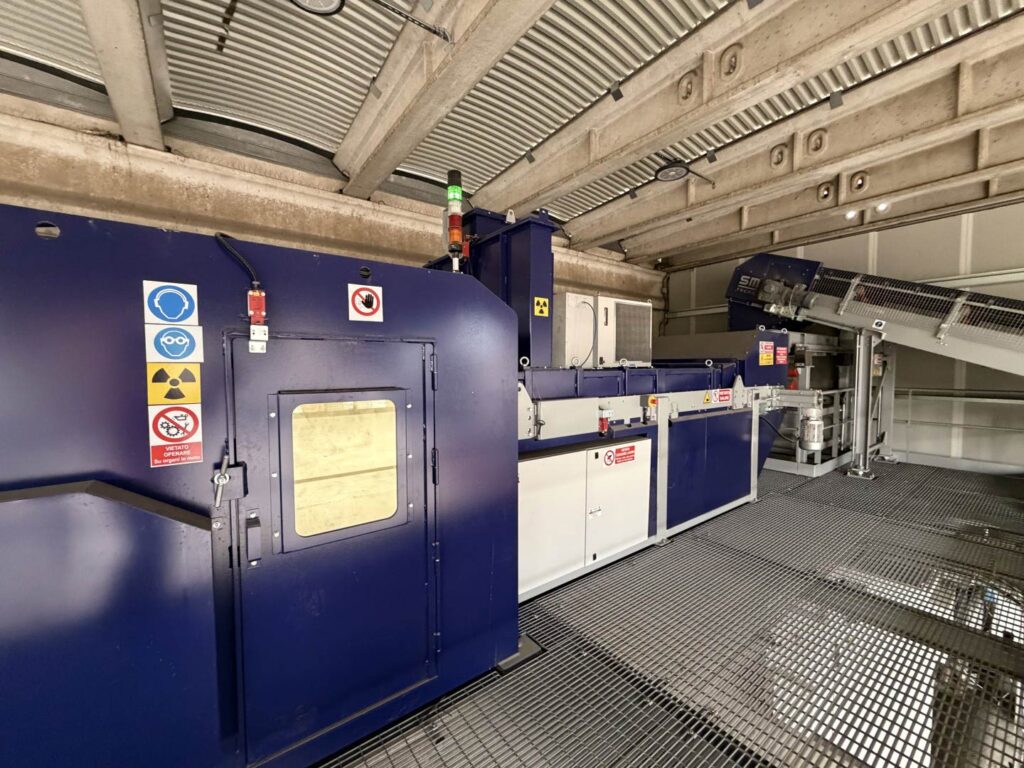
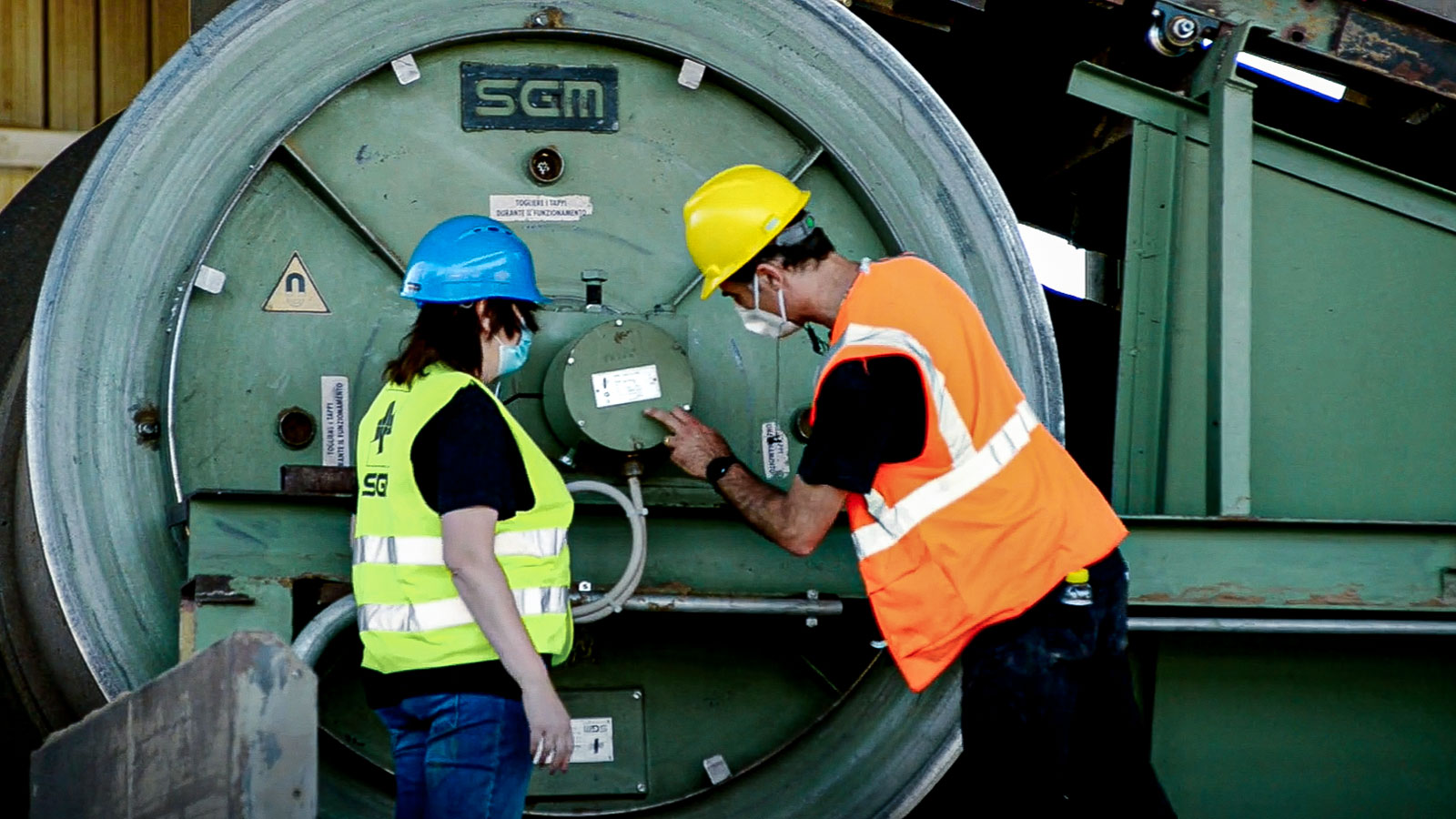
Recycling plants need to recover ferrous metals from mixed material streams while protecting downstream equipment from tramp iron and heavy contaminants. In scrap processing, automotive shredder residue (ASR), incinerator bottom ash (IBA), glass recycling and other recycling lines, magnetic drum separators recover ferrous metal with minimal operator intervention.
A magnetic drum separator uses a rotating non-magnetic shell and a fixed internal magnetic system to attract ferrous metals and discharge them separately from the non-magnetic material stream. This makes drum magnets useful both for metal recovery and for protecting equipment such as shredders, crushers, eddy current separators and sensor-based sorters.
SGM Magnetics designs magnetic drum separators and complete separation systems for demanding recycling and scrap processing applications, from individual drum magnets to engineered lines for ferrous and non-ferrous metal recovery.
What is a magnetic drum separator?
A magnetic drum separator is a continuous-duty machine designed to automatically separate magnetic ferrous materials from non-magnetic bulk waste streams.
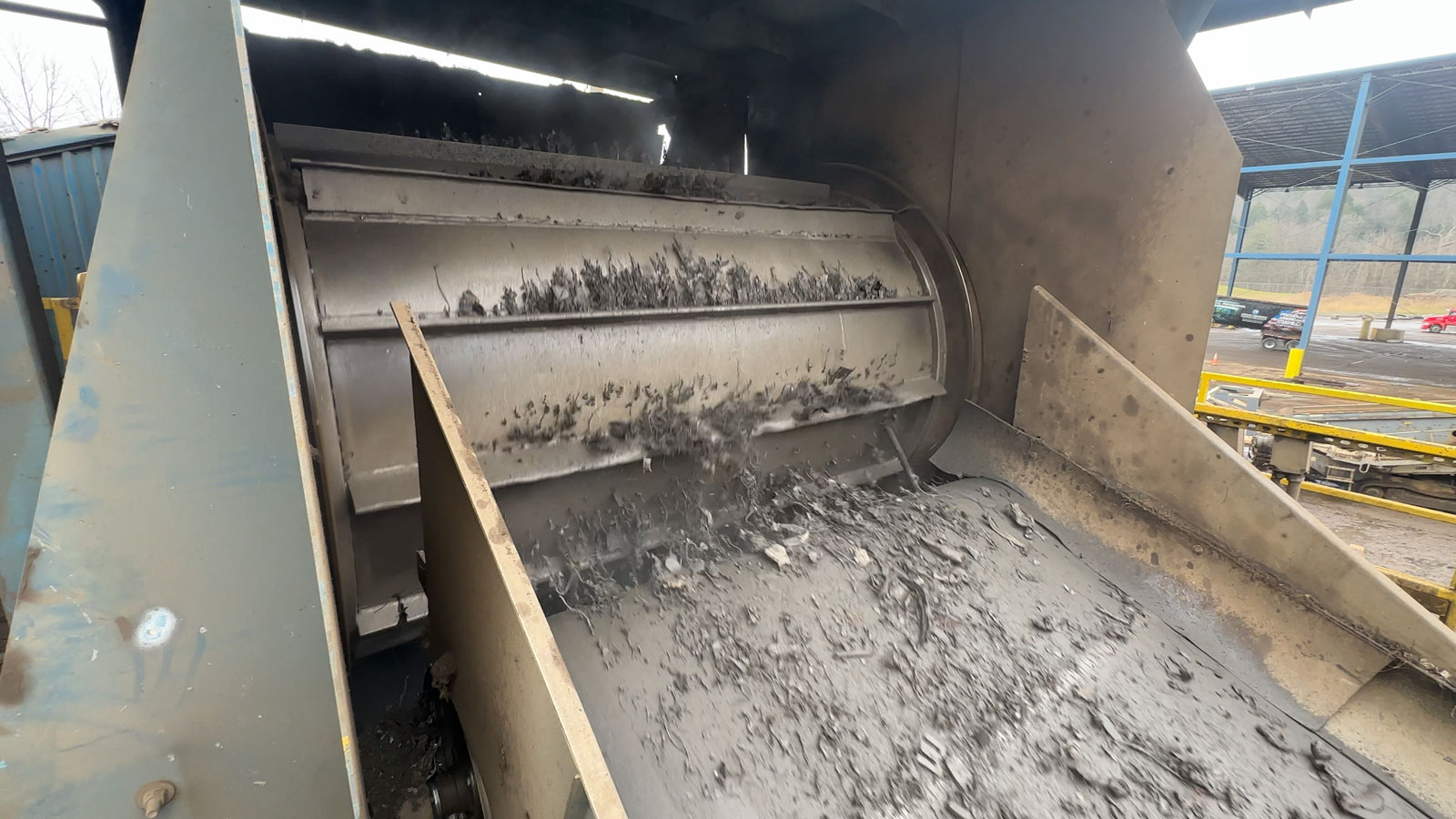
It consists of a fixed internal magnetic arc enclosed by a wear-resistant non-magnetic outer drum shell that rotates continuously around it. Bulk materials enter the unit via a vibratory feeder or chute, spreading evenly across the upper surface of the rotating shell.
As the material moves through the active magnetic field, ferrous metals are instantly attracted to the shell surface and held securely. Non-magnetic materials continue along their natural gravity trajectory and discharge into a designated non-magnetic chute.
Meanwhile, the rotating shell carries the captured ferrous pieces past the stationary magnetic arc, where they automatically fall into a separate discharge area. This continuous process eliminates manual intervention, prevents material buildup, and maintains high separation efficiency.
How does a magnetic drum separator work?
The separation relies on the interaction between a stationary internal magnetic element and an independently rotating external shell. SGM magnetic drum separators utilize either high-coercivity permanent magnets (such as Neodymium-Iron-Boron or Strontium Ferrite) or heavy-duty electromagnetic coils depending on the application.
The internal magnet remains fixed at a targeted angular orientation, concentrating its magnetic force exclusively over the active separation sector. As the bulk stream falls onto the drum, the magnetic field penetrates the material layer.
Ferrous items adhere to the drum shell and rotate with it, whereas non-magnetic fractions drop away immediately. Once the captured ferrous metal rotates past the stationary magnetic sector, the magnetic force drops to zero, allowing the cleaned iron to discharge automatically.
What are the key operational advantages?
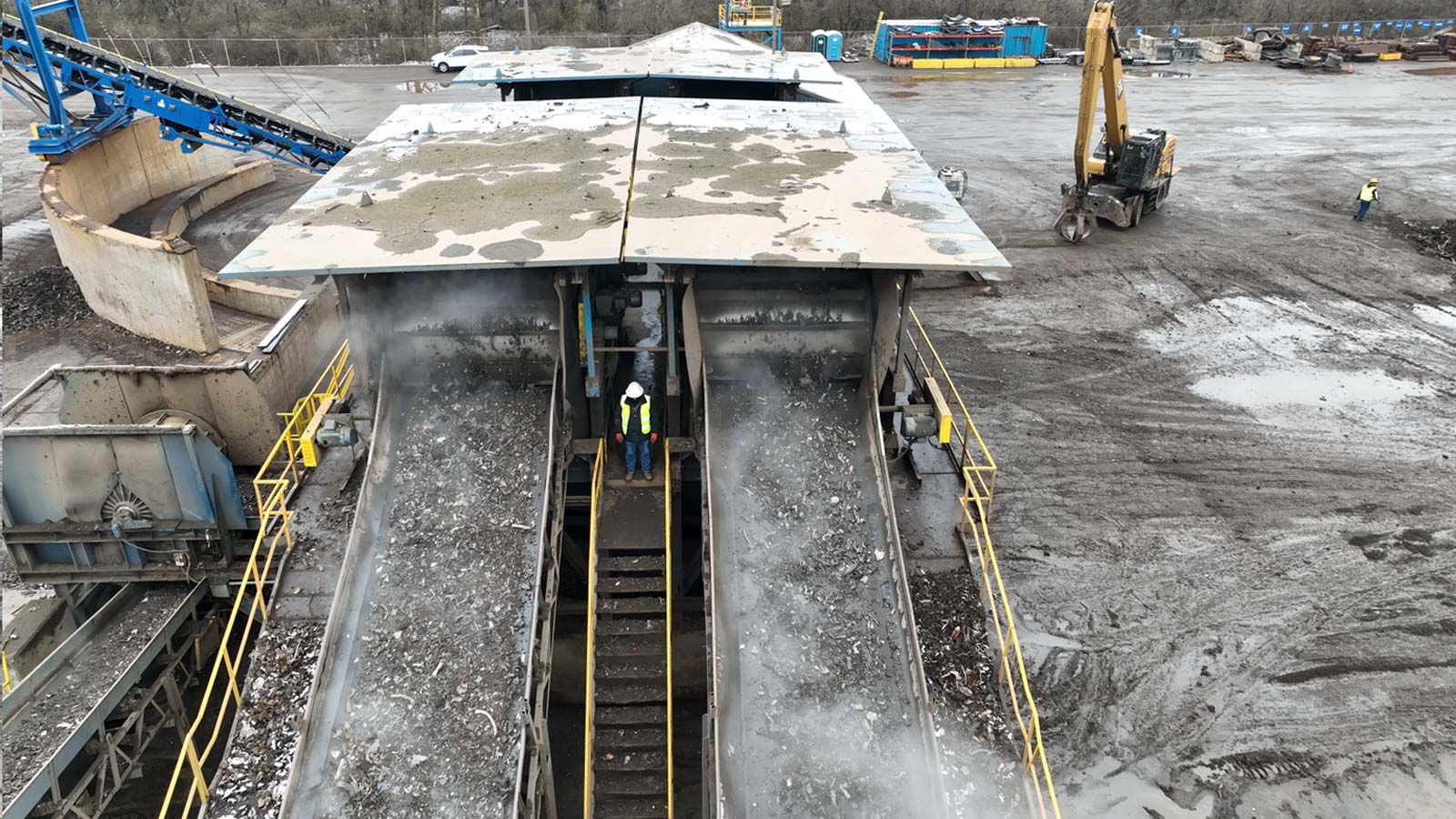
Modern recycling plants process large volumes of highly abrasive and mixed scrap. Static magnets or manual removal methods struggle to keep pace with these high-tonnage requirements, leading to high labor costs and frequent process stops.
Here are the primary operational benefits delivered by industrial magnetic drum separators:
- Continuous self-cleaning operation: the rotating shell removes attracted ferrous items away from the active magnetic zone without process stops;
- Protection of downstream machinery: removing tramp iron reduces the risck of damage in shredders, granulators, and crushers;
- High separation purity: rapid tumbling action across the drum surface dislodges trapped non-magnetic contaminants from the ferrous fraction;
- Abrasion resistance: wear-resistant shells in manganese stainless steel drum shells withstand harsh processing environments and highly abrasive materials;
- Low maintenance: few moving parts reduce mechanical wear and lower overall plant downtime.
Why protect downstream machinery with drums?
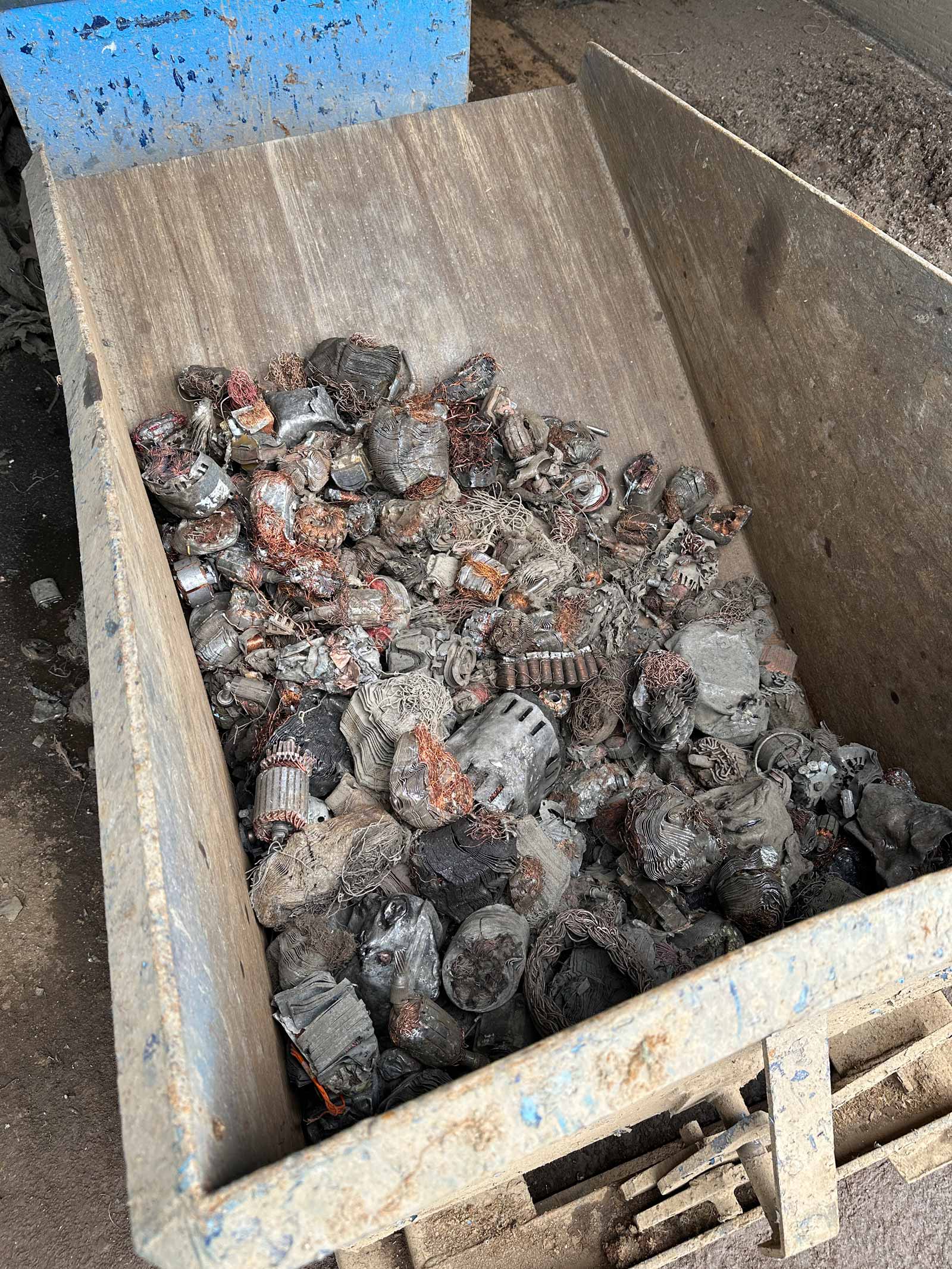
Shredders, secondary crushers, sensor-based sorters, and Eddy Current Separators (ECS) are major capital investments. When heavy iron fragments enter high-speed machinery, they cause mechanical damage, blade notchings, or complete rotor destruction. Magnetic drum separators act as heavy-duty protective gatekeepers at the beginning of the sorting line.
By continuously capturing bulky iron pieces before material reaches sensitive equipment, magnetic drums safeguard high-value machinery, extend component service life, and prevent costly production stops.
What are permanent vs electromagnetic drums?
Choosing between permanent and electromagnetic drum separators depends on feed characteristics, particle size, and required field penetration depth.
Permanent magnetic drum separators (such as the SGM TMP Series) use permanent magnet blocks to generate a continuous magnetic field and need no electrical power for magnetism, making them energy-efficient and reliable.
Electromagnetic drum separators (such as the SGM TME-Q and MDM Series) use copper or aluminum coils powered by direct current. They generate deeper magnetic field, which makes them well suited for handling large, heavy, and irregularly shaped scrap.
How are drum magnets used in scrap lines?
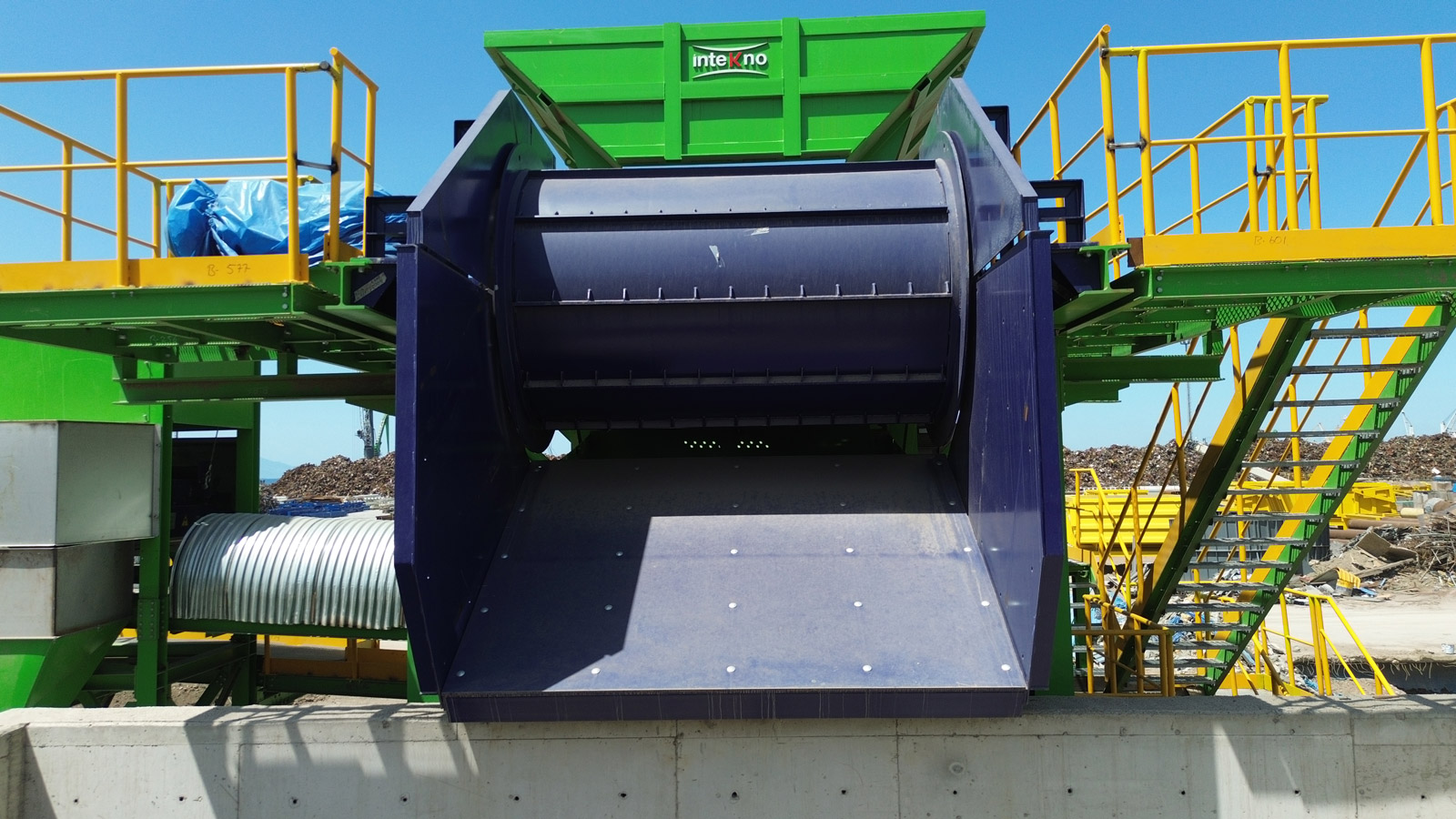
Magnetic drum separators are a key component of Scrap Cleaning Lines (SCL) designed to upgrade heavy melting scrap (HMS).
Heavy melting scrap (HMS) often arrives contaminated with soil, rust, non-ferrous fines, and non-metallic debris. Melting uncleaned scrap in electric arc furnaces increases energy consumption andslag, and can reduce overall steel quality. The main steps of a SGM Scrap Cleaning Line are:
- Controlled hopper loading: metering bulk HMS onto the line to ensure uniform stream density;
- De-dusting and pre-screening: Removing loose dirt, fine rust, and non-metallic dust prior to magnetic separation;
- Electromagnetic drum separation: using SGM proprietary transverse polarity drums (TME-Q) to lift, turn, and clean heavy scrap;
- Final magnetic conveyor cleaning: a second magnetic pass to further raise output purity levels .
Implementing an engineered scrap cleaning line yields substantial economic and environmental returns. Steel mills achieve higher furnace yields, lower energy consumption by up to 95% compared to virgin ore processing, and reduce CO₂ emissions.
To explore detailed technical specifications and furnace yield improvements, read our guide on how to turn Heavy Melting Scrap into a resource.
How do drums prepare non-ferrous recovery?
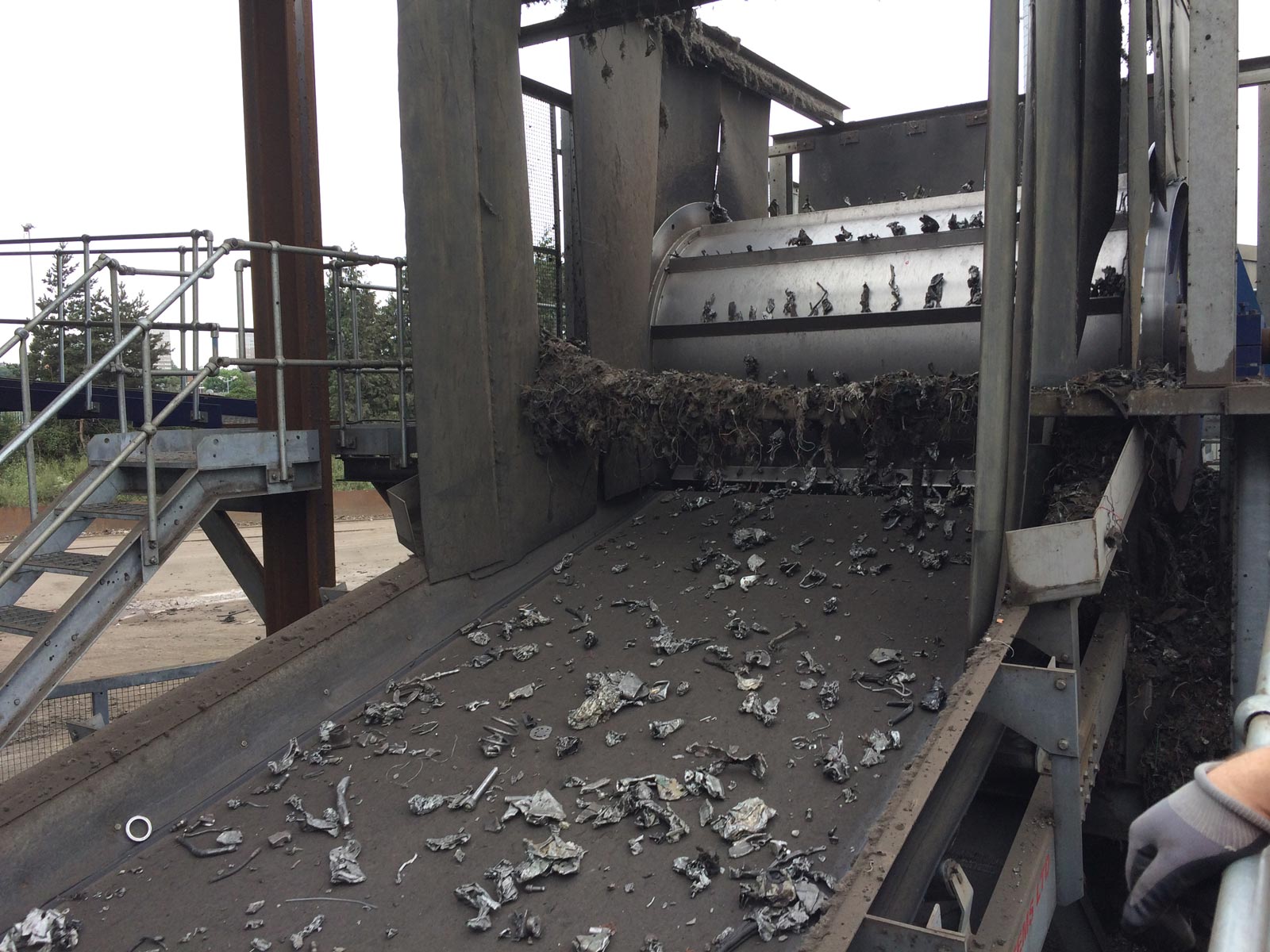
Installing a magnetic drum separator upstream of an Eddy Current Separator is essential for protecting the high-speed rotor and ensuring maximum non-ferrous recovery.
Non-ferrous metal separation relies on high-speed alternating magnetic fields generated by Eddy Current Separators (ECS) to eject conductive metals like aluminum and copper. However, if stray ferrous particles enter the ECS rotor zone, they become trapped on the belt, rapidly overheat due to induced currents, and cause damages to the rotor shell. A magnetic drum separator acts as an essential pre-treatment gatekeeper, removing 100% of residual ferrous metals.
Pre-treating material streams with drum magnets delivers crucial operational benefits:
- Rotor protection: less iron reaches the high-speed rotor ;
- Higher non-ferrous output purity: Less ferrous contamination in recovered aluminum and copper;
- Optimized layer thickness: a cleaner, more regular stream improves ejection ;
- Longer equipment life : less wear on conveyor belts and shell components.
For a complete breakdown of rotor speeds, belt settings, and non-ferrous recovery methods, read our comprehensive article on how to separate non-ferrous metal with eddy current separators.
How to optimize drum separator performance?
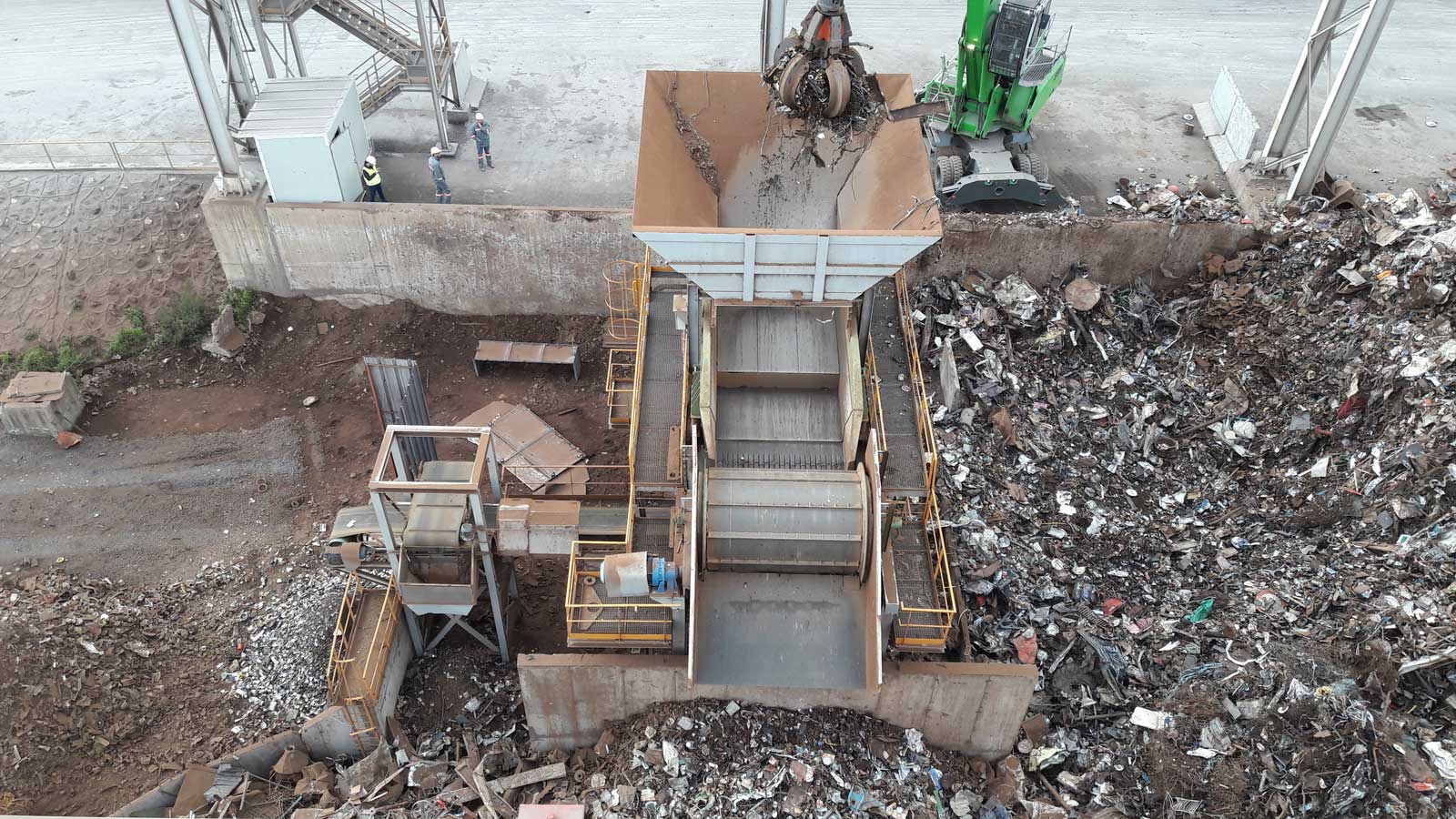
Calibrating key mechanical and magnetic parameters is essential for achieving peak separation efficiency and maximum return on investment.
Improperly configured drum magnets lead to material carryover, lower output purity, and unnecessary wear on mechanical parts. Setting should be adjusted to feed size, moisture content, and throughput speed.
Here are the essential parameters for optimizing magnetic drum separator performance:
- polarity alignment selection: Utilizing axial polarity for fine particle recovery and transverse polarity for tumbling heavy, bulky scrap;
- rotational shell speed: Matching drum shell speed to feed belt velocity to prevent material pileup and turbulence;
- internal arc angle position: Adjusting the angular position of the fixed internal magnet to ensure precise discharge timing;
- infeed material layering: Maintaining a uniform single-layer feed via vibratory feeders to maximize magnetic field penetration.
What is the ROI of magnetic drum separators?
The return comes from lower maintenance costs, higher scrap value and reduced landfill costs.
Downtime caused by tramp iron damage to shredders or crushers can cost facility operators thousands of dollars per hour in lost production and repair parts. Magnetic drum separators eliminate these unbudgeted expenses by providing reliable, continuous equipment protection.
Furthermore, extracting clean, high-purity ferrous metals allows recyclers to command premium prices from steel mills and foundries.
From an environmental and compliance standpoint, removing metal fractions from residual waste streams reduces landfill tonnage fees and lowers CO₂ emissions associated with primary metal extraction.
Why partner with SGM Magnetics for separation?
SGM Magnetics has over 70 years of experience in magnetic separation and lifting systems.
The technical team evaluates the feed material, runs material tests, and designs separation systems around the plant’s goals from single drums to complete recycling lines. Contact SGM Magnetics to speak with a technical expert or to schedule a material test
You might also be interested in
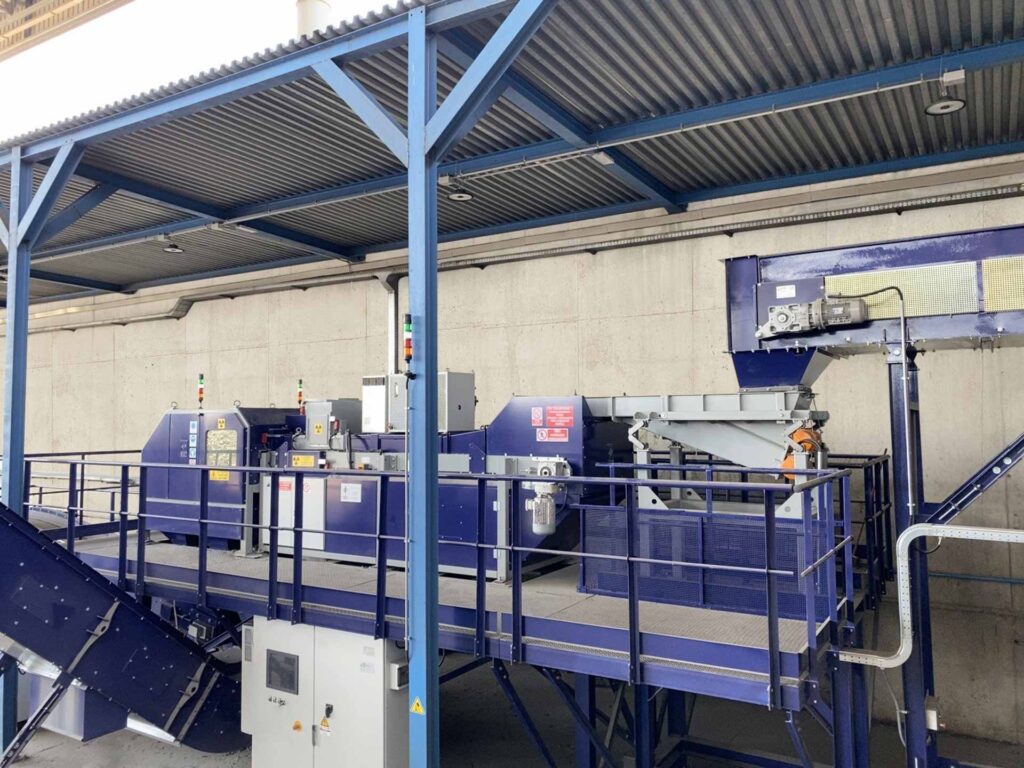
Why choose X-Ray sorters to recycle industrial metal
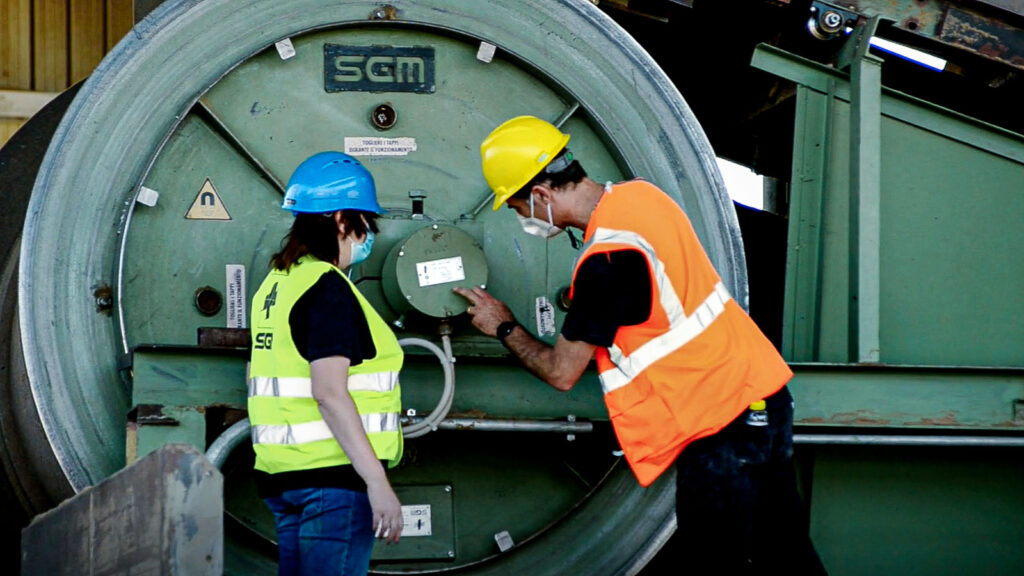
What are the advantages of magnetic drum separators?