
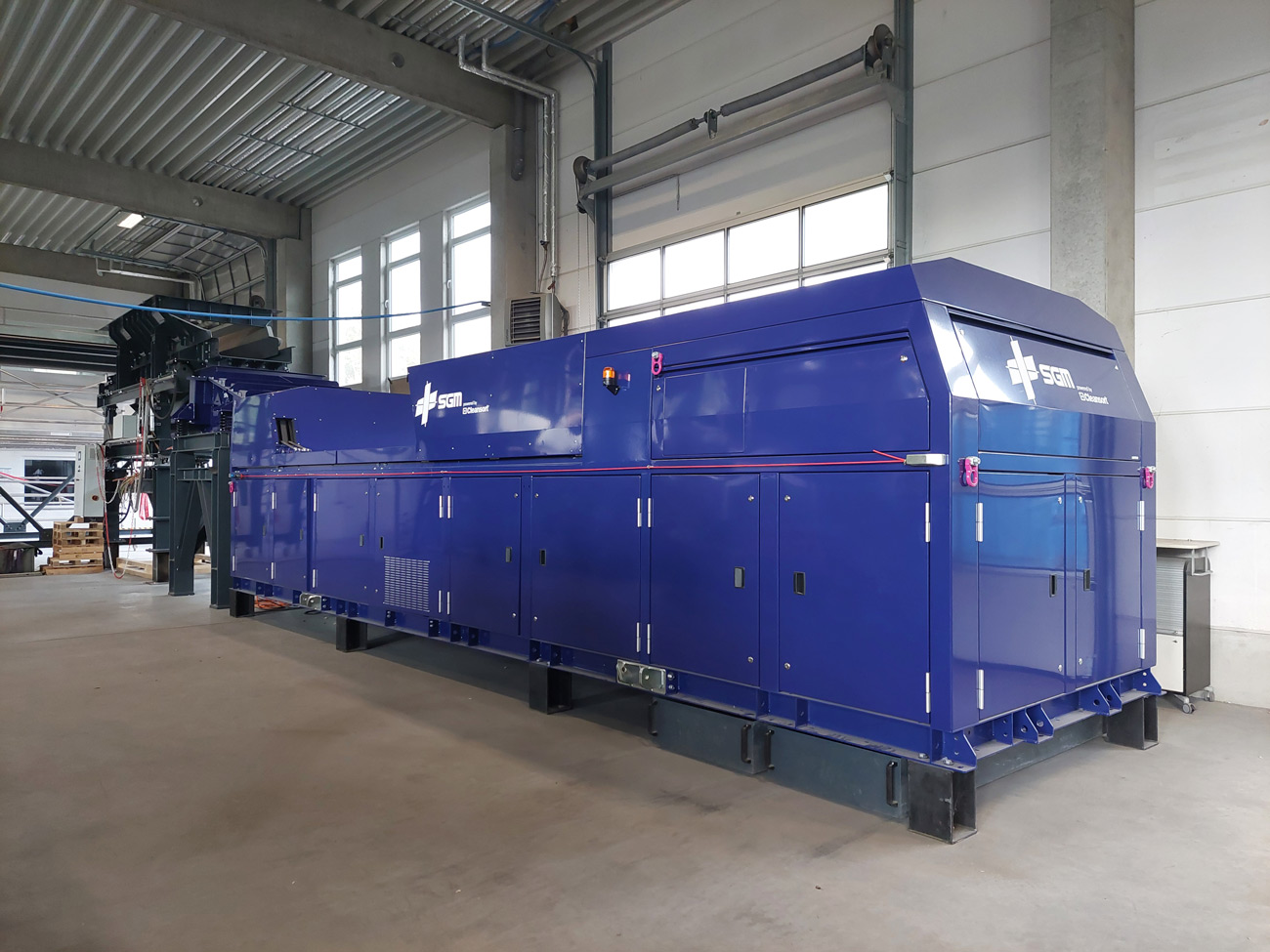
Quality aluminum foundries increasingly rely on post-consumer scrap—but the scrap stream is getting more heterogeneous. Mixed light alloys, coatings, dirt, and oxidation make it harder to keep furnace chemistry stable, raising the risk of melt corrections, downgrading, and inconsistent output.
Many sorting steps improve scrap quality, but when the goal is alloy-to-alloy refining, the limiting factor is often the lack of chemical identification at piece level. LIBS (Laser-Induced Breakdown Spectroscopy) fills that gap by analyzing the elemental composition of each piece in milliseconds and sorting accordingly.
How LIBS improves aluminum scrap sorting quality
LIBS works by firing a high-energy laser pulse onto the metal surface, generating a microplasma. The emitted light is analyzed to determine the material’s chemical composition, enabling separation based on chemistry rather than only on physical properties.
Because LIBS is a surface analysis technology, measurement quality depends heavily on surface condition. Coatings, dirt, and oxidation can distort readings if they are not removed before analysis. That’s why the SGM Cleansort approach integrates a proprietary laser square surface ablation step to clean every single piece before spectroscopy, improving measurement reliability on coated or contaminated scrap.
In a practical plant layout, LIBS is often used as a refining step within a broader technology cascade.
Real-time LIBS alloy ID to boost purity for foundries
Secondary aluminum foundries increasingly need to integrate post-consumer scrap while keeping tight chemistry limits on the final alloys. When incoming material includes mixed light alloys, real-time alloy identification becomes critical to reduce melt corrections and downgrading.
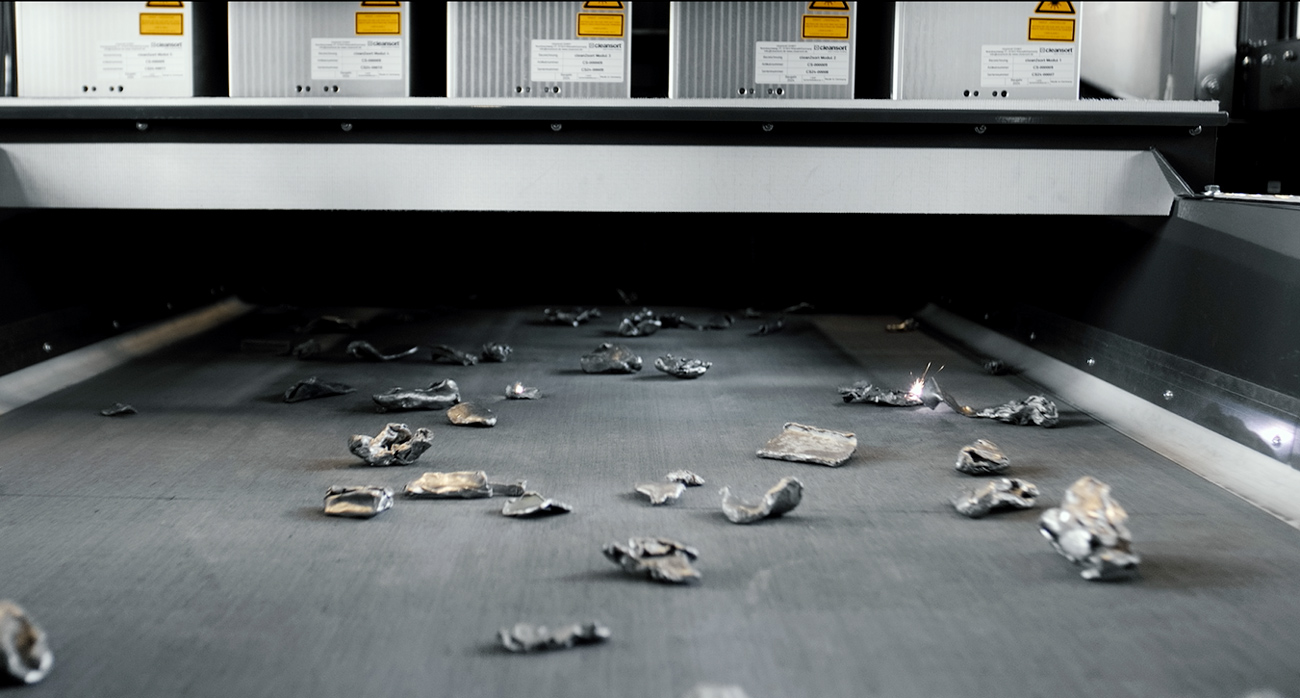
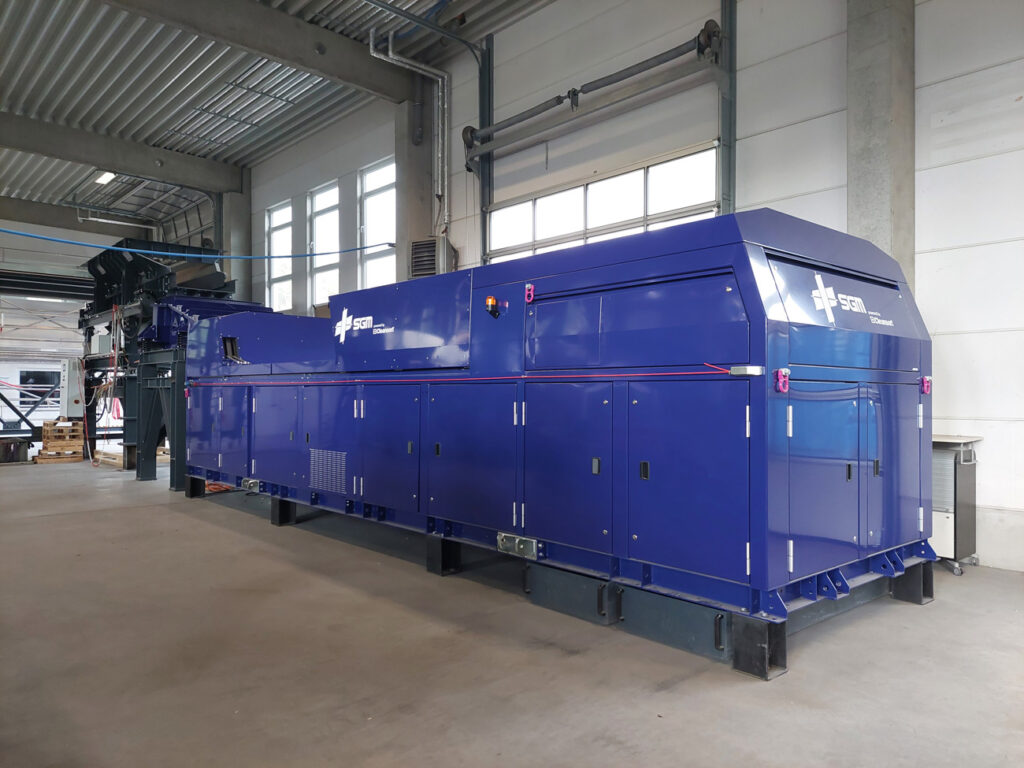
SGM Cleansort R combines high-definition LIBS spectra with laser square surface ablation to clean each piece before analysis. This supports quantitative alloy identification and alloy-to-alloy separation for aluminum series such as 5000 and 6000, and even similar alloys like 6010 vs 6016 (depending on targets and setup).
The system uses high-speed 3D laser scanning to detect each piece and guide the laser on X/Y coordinates with automatic focus on the Z-axis. After analysis, separation is performed via air pulses into multiple composition streams.
An optional dynamic sorting mode can make decisions based on the average chemistry of multiple pieces, delivering higher recovery compared with static pass/fail sorting while still targeting batch compliance.
Key benefits of SGM LIBS for foundry-grade output
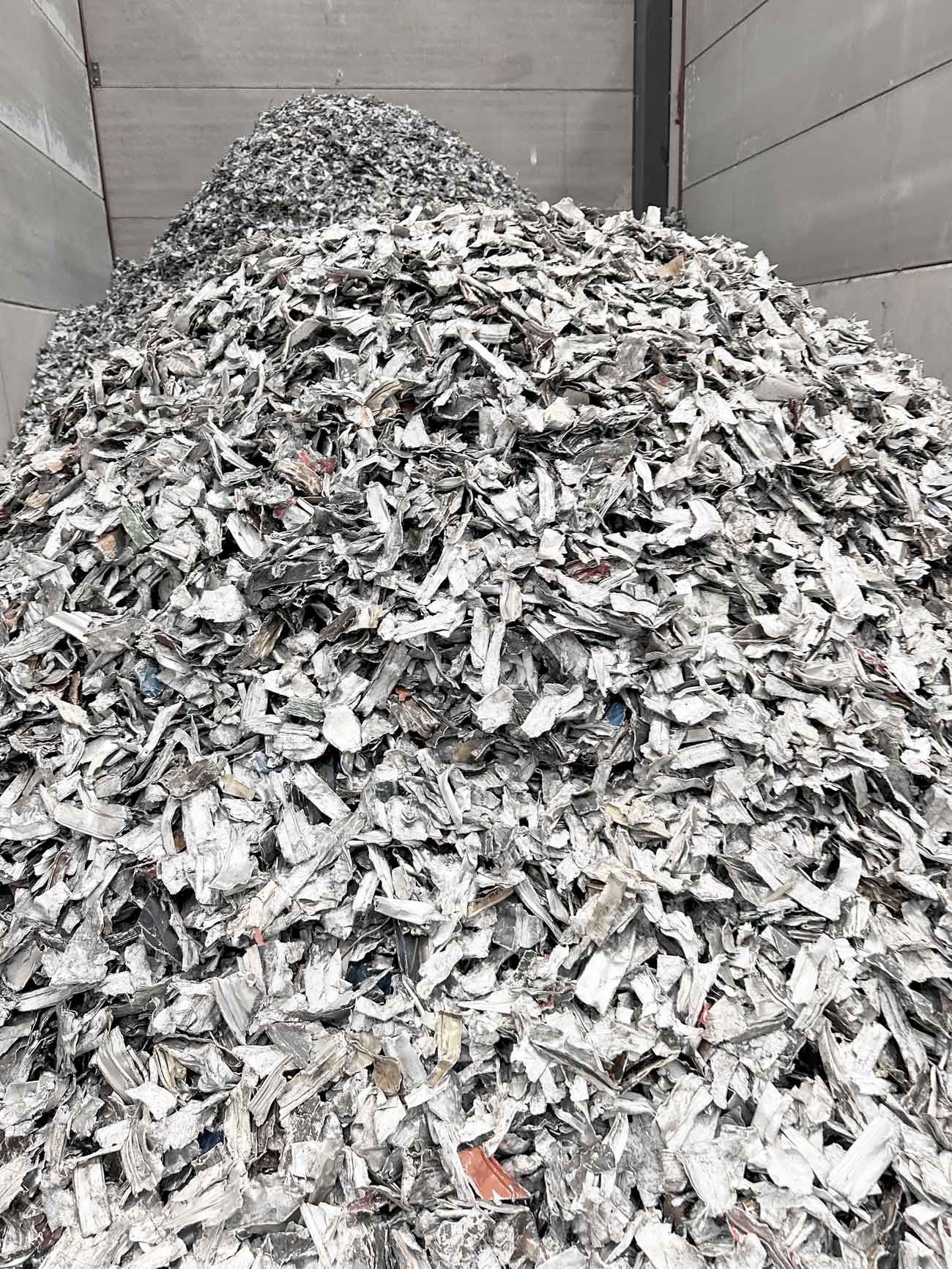
Producing foundry-grade output from heterogeneous aluminum scrap requires one thing above all: chemistry consistency. When upstream sorting is not precise enough, alloy mixing increases melt corrections, raises downgrade risk, and limits the share of recycled input that can be used confidently.
SGM Cleansort R combines high-definition LIBS spectra with a proprietary laser square surface ablation step that cleans each piece before analysis—supporting more reliable alloy identification on coated or contaminated scrap. The system is modular (3–6 modules) and scalable: configurations with 720–1440 mm belt width are quoted at 5.5–11 t/h for aluminum scrap in the 30–120 mm fraction (example basis: 34 g average piece weight).
An optional dynamic sorting mode can make decisions based on the average chemistry of multiple pieces, delivering higher recovery compared with static pass/fail sorting while still targeting batch compliance.
Validate performance on your own scrap mix and define the best sorting recipe and technology cascade for your target alloys.
You might also be interested in
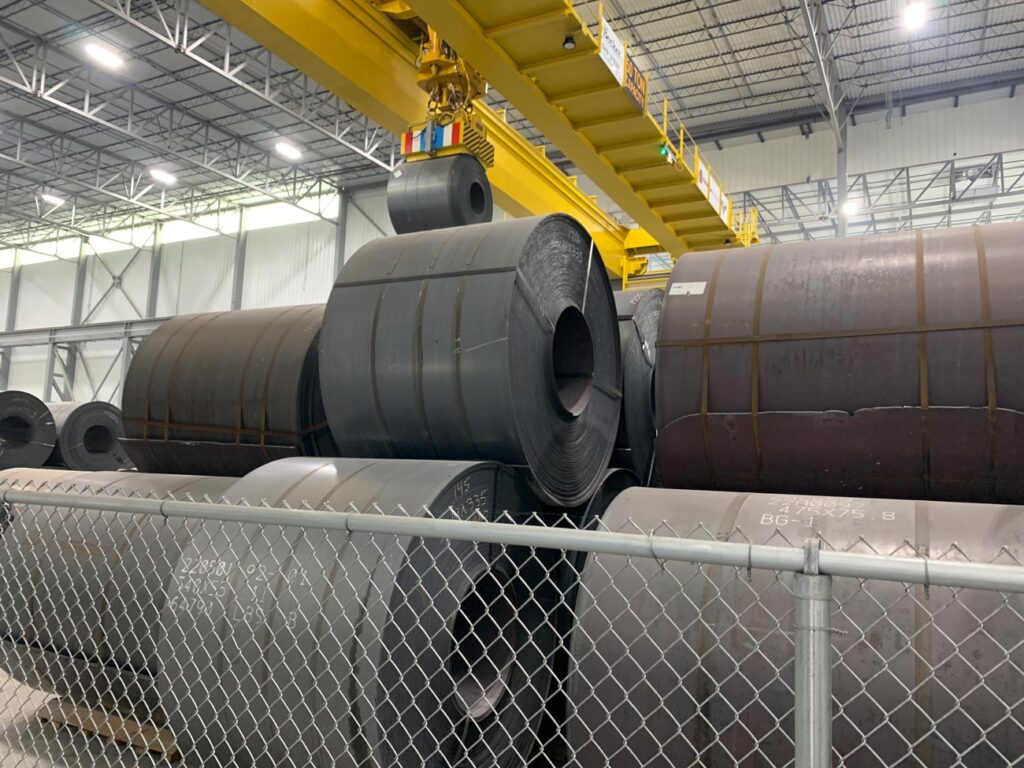
Steel coil lifting magnets for steel plants, how they work
Why choose LIBS laser sorting for aluminum scrap